Africa’s energy transition to lower carbon, more reliable and accessible power systems has the potential to reshape economies, uplift communities and support development throughout the continent. With abundant renewable energy resources and growing recognition of the urgency of decarbonisation, Africa is well-positioned to leapfrog parts of traditional energy systems and build a more sustainable future.
By Shameel Joosub, Vodacom Group CEO
While progress has been made in advancing low-carbon growth, we face a stark reality. Approximately 600-million people across sub-Saharan Africa still lack access to electricity, and even where grid connections exist, around 80% of businesses and close to 60% of households experience regular unplanned outages, according to research conducted for Vodacom’s Decarbonising Africa’s ICT Sector report.

As a result, diesel generators are the default source of power in the absence of reliable and affordable grid electricity – across industries including technology, manufacturing, logistics, mining and public services. While diesel enables continuity, it is costly and carbon‑intensive; reliance on it can lock countries, businesses and communities into a cycle that undermines sustainability, energy security and economic resilience.
What is stalling Africa’s decarbonisation journey
Shifting this trajectory onto a path of renewable energy adoption requires overcoming systemic challenges. These include underdeveloped and unstable grid infrastructure, utilities operating under financial strain and complex regulatory and policy environments.

The report highlights that large‑scale renewable energy projects demand high upfront capital requirements and long payback periods, making them difficult to finance in markets characterised by regulatory uncertainty and political and currency risk. These factors drive up the cost of capital and delay project development – even where renewable resources are abundant and demand is clear. However, the business case for renewable energy is clear; the capital requirements remain lower and payback periods shorter than alternative energy sources such as coal-fired power stations.
Collaboration will determine the pace of change
No single stakeholder can overcome these barriers alone. Realising Africa’s clean energy future will depend on deliberate, coordinated action across sectors in partnership with governments and finance role players to align policy, investment and implementation of renewable energy solutions at scale.


Public‑private partnerships (PPPs) are a particularly powerful vehicle for progress. By combining public oversight with private sector expertise and capital, PPPs can unlock investment in grid upgrades, expand generation capacity and accelerate the rollout of renewable energy infrastructure. Evidence from across the continent shows that where PPPs are supported by strong government leadership, clear institutional roles, and where risk allocation and regulatory frameworks are clearly defined, they can materially improve system reliability and attract long‑term investment.
Policy reform is critical for this collaboration’s success. Providing regulatory clarity alongside creating cost‑reflective tariffs and improving utility balance sheets are essential to enabling private sector participation across renewable energy generation, transmission and distribution.
Equally important is expanding access to market‑based mechanisms. Allowing independent power producers to operate at scale, enabling wheel arrangements and permitting self‑generation provides large energy users with greater control over their energy supply while reducing dependence on carbon‑intensive fuels such as diesel. These measures support grid decarbonisation by stimulating demand for new renewable capacity. Value is also created through a decrease in demand for national supplies, which benefits broader businesses and communities.
Beyond policy and finance, capacity building is a central pillar of the energy transition. Skills development and technical assistance – delivered through partnerships with development finance institutions, multilateral development banks and industry bodies – are critical to strengthening local expertise and institutional capability. Without this, even well-funded projects will struggle to move from pipeline to implementation.

Collaboration must also extend to innovation and inclusion. Supporting research and development in renewable technologies, alongside emerging alternatives such as green hydrogen and sustainable biofuels, will help diversify Africa’s energy mix over time. Meaningful engagement with local communities ensures that decarbonisation delivers social benefits – from job creation to improved energy access – alongside environmental gains.
Progress is possible through partnerships
Encouragingly, as our report highlights, progress is already visible in several countries. Across Africa, governments are opening energy markets, enabling independent producers and reforming regulatory frameworks. Where regulation permits, businesses are increasingly engaging in renewable energy procurement through power purchase agreements, renewable energy certificates and green tariffs, where these enable new renewable capacity rather than re‑labelling existing supply.
Decentralised solutions, such as mini‑ and micro‑grids, are proving effective in addressing weak grid infrastructure while reducing diesel reliance and extending energy access to underserved communities. These successes need to be replicated at scale.
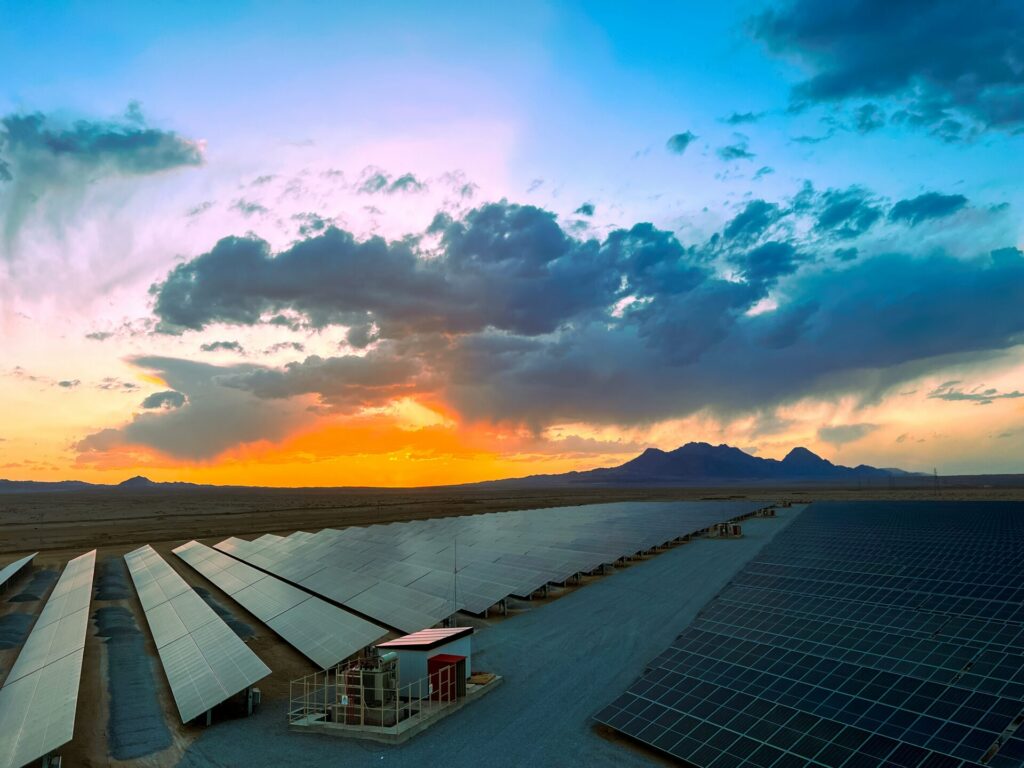
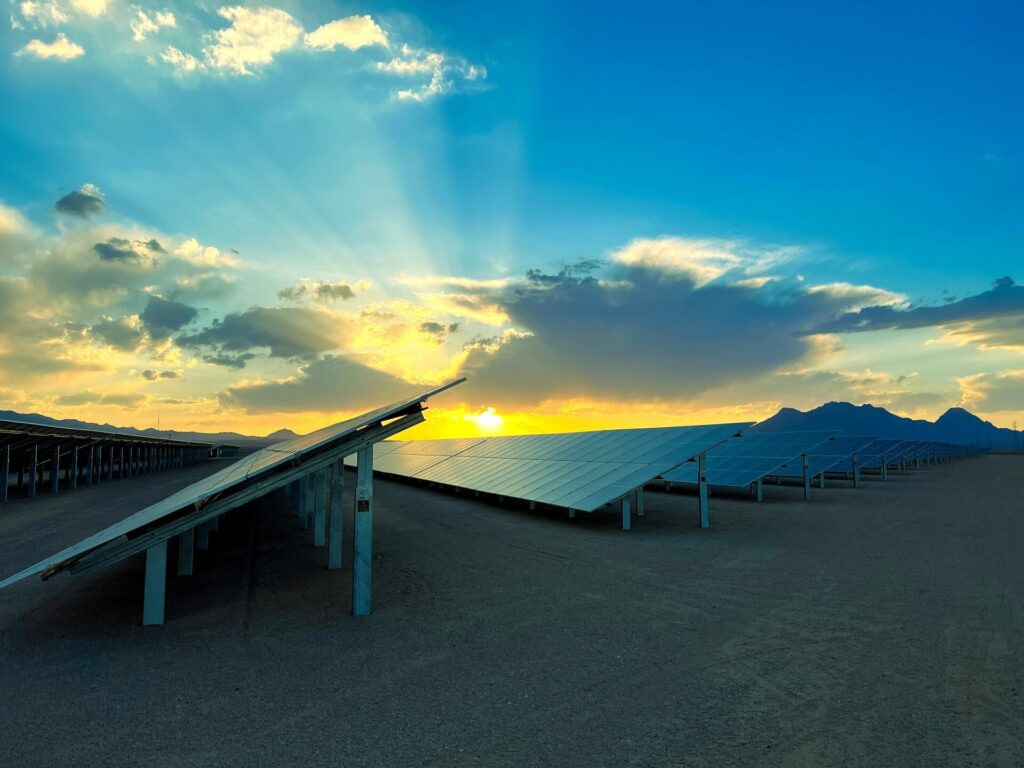
At Vodacom, we are actively working within this evolving ecosystem to advance our net‑zero ambitions while supporting broader system transformation. In South Africa, for example, we partnered with Eskom in 2023 to develop a virtual wheeling platform that connects renewable energy generators with buyers across multiple sites, including those serviced through municipal grids. This model expands access to clean energy well beyond the limits of traditional infrastructure.
In Egypt, a significant portion of Vodacom’s electricity consumption is now sourced through a renewable power purchasing arrangement negotiated directly with the government, with ambitions to increase this share further.
Africa’s clean energy future holds immense promise. Realising it will require deliberate action, sustained investment and, above all, collaboration across sectors. Vodacom remains committed to playing our part in building energy systems that are more reliable, more sustainable and more inclusive – ensuring that the communities we serve can participate fully in Africa’s growth story.