


As cities expand and transport demand intensifies, mobility systems are becoming central to economic productivity, spatial inclusion and climate resilience. Urban mobility is rapidly emerging as one of the defining infrastructure challenges shaping the future of cities.
By CityConsolidator Africa
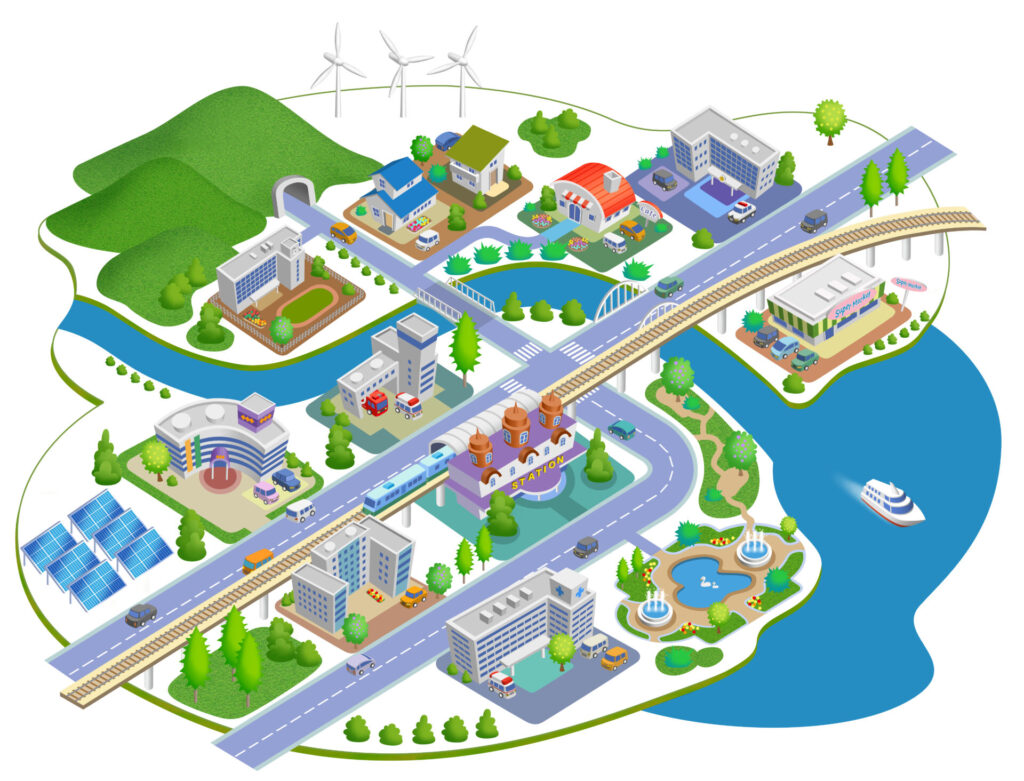
As urbanisation accelerates and economic activity intensifies, the movement of people and goods increasingly determines productivity, accessibility, environmental performance and the resilience of metropolitan systems. Transport networks are no longer viewed as isolated infrastructure assets; they now sit within a broader urban systems framework linking spatial planning, energy transitions, climate commitments and long-term infrastructure investment.



Across expanding metropolitan regions, demand for mobility continues to outpace the development of integrated transport systems. Congestion, fragmented public transport networks and weak coordination between spatial development and mobility infrastructure remain persistent structural challenges. Governments at national, provincial and municipal levels are simultaneously under pressure to reduce emissions, improve air quality and expand access to economic opportunity while accommodating rapidly growing urban populations.
These pressures are reshaping how governments and industry stakeholders approach the delivery of mobility infrastructure. Transport systems must support economic growth while advancing environmental sustainability and social inclusion. Achieving this balance requires stronger coordination across sectors that have historically operated independently.

Urban mobility systems are shaped not only by transport authorities but also by urban development agencies, infrastructure investors, energy providers, technology firms and regulatory institutions. Delivering modern mobility networks therefore depends on alignment between public policy, infrastructure planning, private capital and emerging technologies. Without this coordination, even well-designed mobility strategies struggle to translate into operational systems. In this evolving landscape, platforms capable of convening these stakeholders play an increasingly important role.

The Urban Mobility Summit (UMS) was established as a strategic platform designed to connect governments, industry leaders and sector stakeholders working across transport, planning, infrastructure, innovation and urban development to advance practical pathways for delivering modern urban mobility systems.
Launched in November 2025, UMS brings together policymakers, transport authorities, investment agencies, mobility operators, technology innovators, researchers and urban development leaders to engage on the practical realities of developing integrated mobility systems. UMS places particular emphasis on implementation – examining how policy direction, infrastructure planning, technological innovation and investment capital can align to deliver functioning mobility networks. This emphasis reflects a growing recognition that the central challenge facing cities is not the absence of mobility policy, but the gap between ambition and execution. Translating strategies into operational systems requires coordinated planning frameworks, investable project pipelines and financing mechanisms capable of supporting large-scale infrastructure development.
The 2026 Urban Mobility Summit, taking place in Rosebank, Johannesburg on 6 and 7 May, will be held under the theme: “From Policy to Streets: Delivering Climate-Conscious, Inclusive Urban Mobility”.
The theme reflects a critical priority for the sector: ensuring that mobility strategies translate into practical systems operating effectively at street and network level. The programme is structured around interconnected themes reflecting the key dimensions of mobility transformation. These include the transition toward climate-conscious transport systems, the development of inclusive mobility networks that expand accessibility and affordability, and the alignment of transport infrastructure with spatial development strategies. Additional focus areas explore technological innovation in emerging mobility platforms and the financing models required to deliver large-scale transport infrastructure.

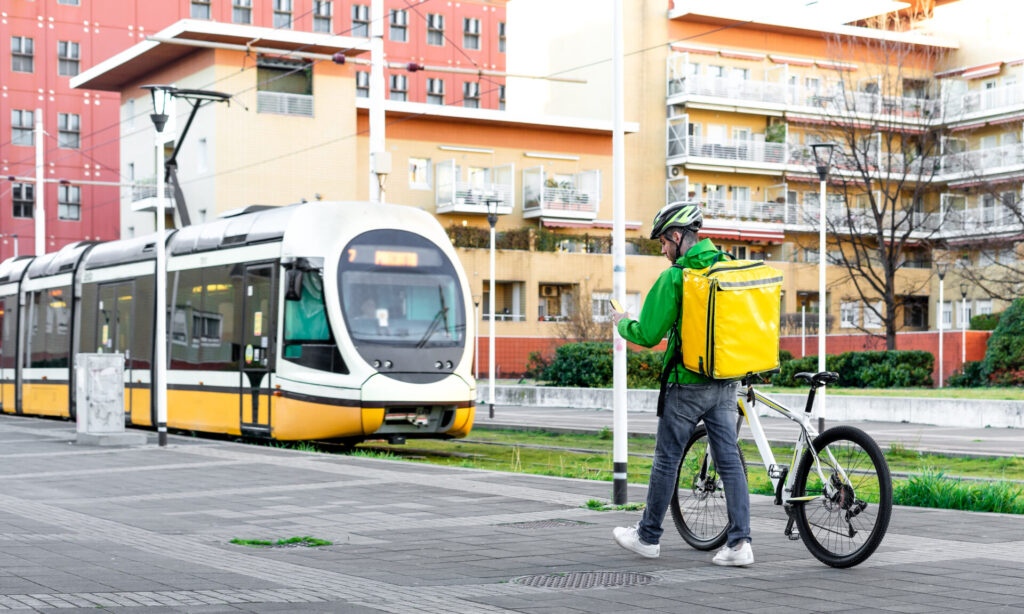




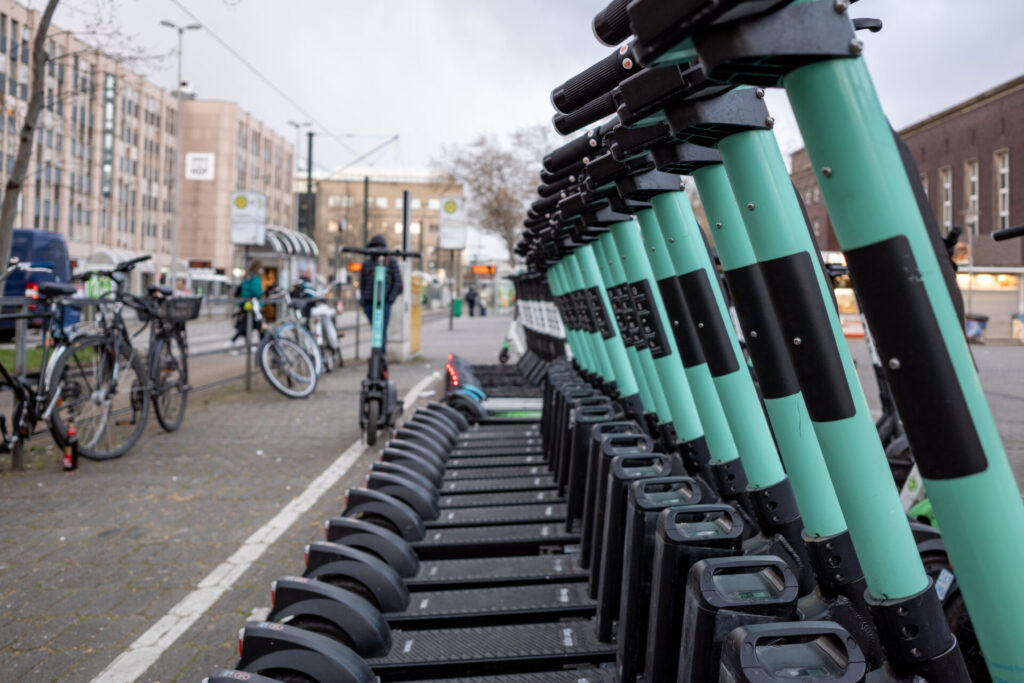
Together, the planned discussions recognise that urban mobility transformation cannot be addressed through isolated interventions. Climate objectives, spatial planning, digital innovation, infrastructure investment and regulatory coordination must operate within a coherent mobility framework if cities are to build transport systems capable of supporting sustainable growth.
UMS recognises that addressing urban mobility challenges requires sustained collaboration between governments, industry leaders and the investment community. While no single platform can resolve the complexity of mobility transformation, structured engagement across sectors provides an important starting point for building the partnerships and institutional coordination required to move from strategy to delivery.
As cities continue to evolve, mobility will remain a defining factor shaping economic opportunity, environmental outcomes and urban quality of life. Strengthening coordination across policy, planning, infrastructure and investment will therefore remain central to building transport systems capable of supporting resilient and sustainable urban futures.