


~R62 billion investment opportunity in the Western Cape renewable energy and water sectors
The Western Cape is a strategic springboard into the rest of the African continent, and beyond, linking businesses to high growth opportunities through preferential market access.
South Africa’s regulatory reforms and climate policy are driving increased investment in renewable energy, e-mobility, circular economy, sustainable water use, green hydrogen and sustainable agriculture. Recent increases in investment across the sub-sectors poised for further growth, driven by private sector interest and public sector enablement. The Western Cape is the green economy hub for Sub-Saharan Africa, with many global and local investors already located in the province.
Renewable energy
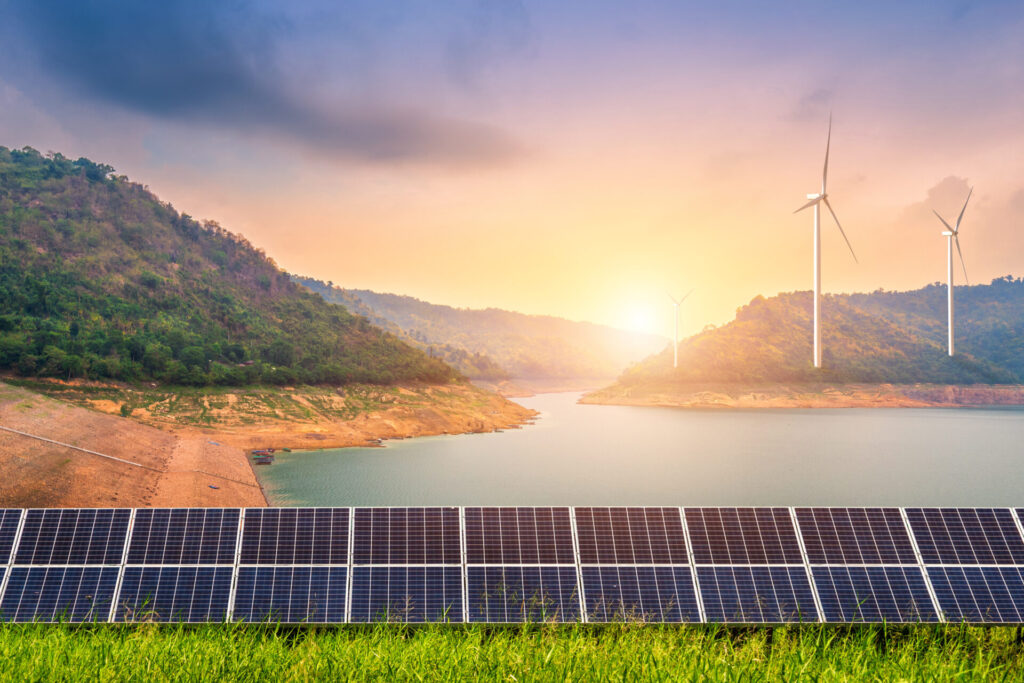
The Western Cape hosts top firms expanding into EV mobility and charging, Li-Ion battery storage and circular materials, building a resilient clean energy ecosystem. Cape Town is home to 70% of South Africa’s utility-scale renewable energy developers. The total renewable energy investable opportunity to 2030 in the Western Cape is ~R37.4 billion, across ~2.35 GW of new capacity.
Regulatory reforms in 2025 and confirmed transmission build-out timelines create a clear, time-bound investment window in 2026 for opportunities in large-scale wind and solar PV (unlocked by the wheeling market), and behind-the-meter solar PV and battery energy storage systems for businesses.
The Western Cape Energy Resilience Programme (WC ERP) was launched in the 2023/24 financial year, and it serves to implement the energy resilience and transition to net-zero carbon priority focus areas of the Western Cape government’s Growth for Jobs Strategy (G4J) which includes taking a whole-of-government and whole-of-society approach to ensure faster delivery and delivery at a greater scale.
The WC ERP has been revised to accommodate changes in the global and South African energy landscape. The strategic objectives of the Western Cape’s Energy Resilience Programme are twofold:
• To mitigate and manage energy-related disasters in the Western Cape.
• To facilitate improved energy resilience in the Western Cape (secure, decarbonised, affordable and financially sustainable) with targets to increase low-carbon energy generated or used in the Western Cape.
The WC ERP is being implemented by enabling businesses, households and municipalities to take up clean-energy solutions contributing to energy security and a reduction in carbon footprints. Decarbonisation also enables export businesses and those that are part of multinational supply chains to maintain and potentially increase market share in overseas markets. Moving decisively towards a decarbonised pathway improves potential access to climate change and just energy transition-related funding, which can be used to de-risk and fund the energy infrastructure needs, building energy resilience and growing the Western Cape economy in line with growth aspirations of the G4J strategy.
Water
South Africa is determined to make sizeable investments into water infrastructure and there are increasing opportunities for private sector participation. There is a ~R25-billion investable opportunity in the water sector in the Western Cape over the next three years. Recent regulatory reforms, declining government grants and increasing pressure for improved service delivery are driving opportunities for private sector participation in two key areas: 1) water and wastewater infrastructure projects and 2) water-efficient sanitation solutions.
The Western Cape Resilience Strategy outlines a comprehensive approach to achieving long-term water security through a combination of programmes, including water conservation and demand management, augmentation of water supply, infrastructure development and strengthened governance. The strategy’s overarching goal is to ensure that the province secures 341mm3 of water annually by 2035, safeguarding supply for its residents.

GreenCape’s market intelligence reports unpack these specific green economy investment opportunities, published in partnership with the Western Cape Government Department of Environmental Affairs and Development Planning.