


Why delaying renewable energy adoption is becoming a strategic risk
For many businesses, delaying the move to renewable energy may feel like a low-risk or neutral position. But it is an increasingly expensive gamble. Rising electricity prices, tightening carbon regulation and constrained grid capacity are turning inaction into a growing commercial liability, particularly for energy intensive and industrial operations.
BY ANDRE NEPGEN*
Many businesses take a wait-and-see approach to renewable energy for various reasons, including lack of familiarity, regulatory and policy concerns or business priorities. Some organisations defer procurement entirely, while others adopt an incremental approach to better understand the market before committing. This cautious approach is especially common with electricity wheeling. In fact, while wheeling may feel abstract, it’s not new. Eskom has enabled wheeling arrangements since 2011, using the same underlying grid framework to support private renewable generation.
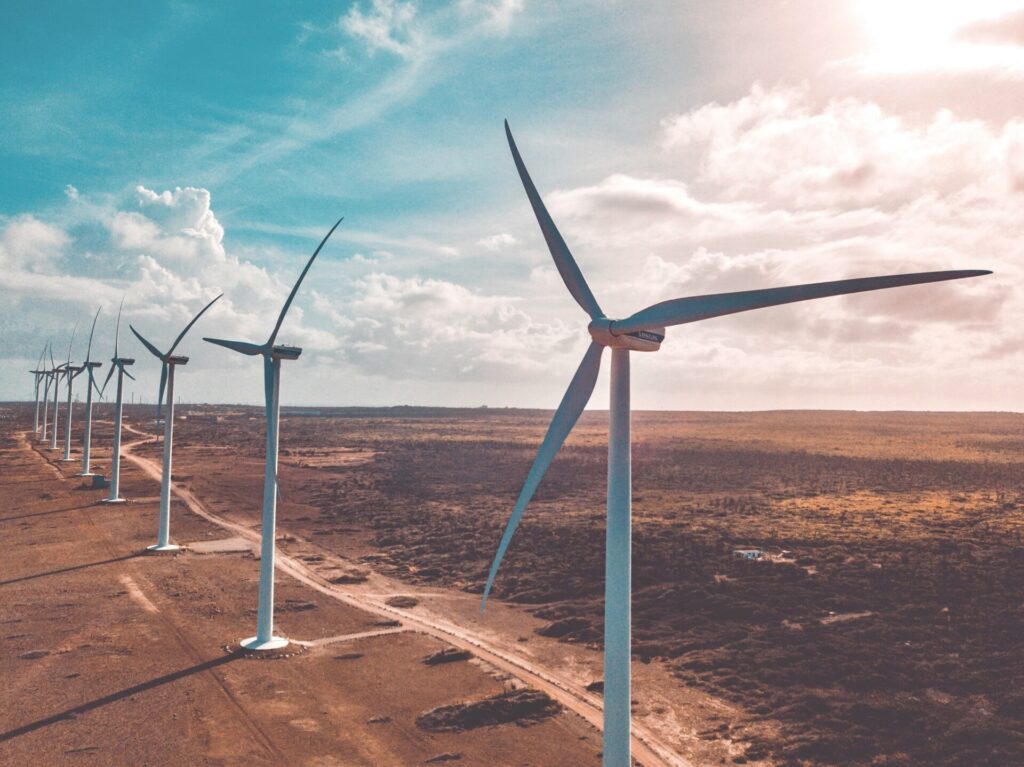
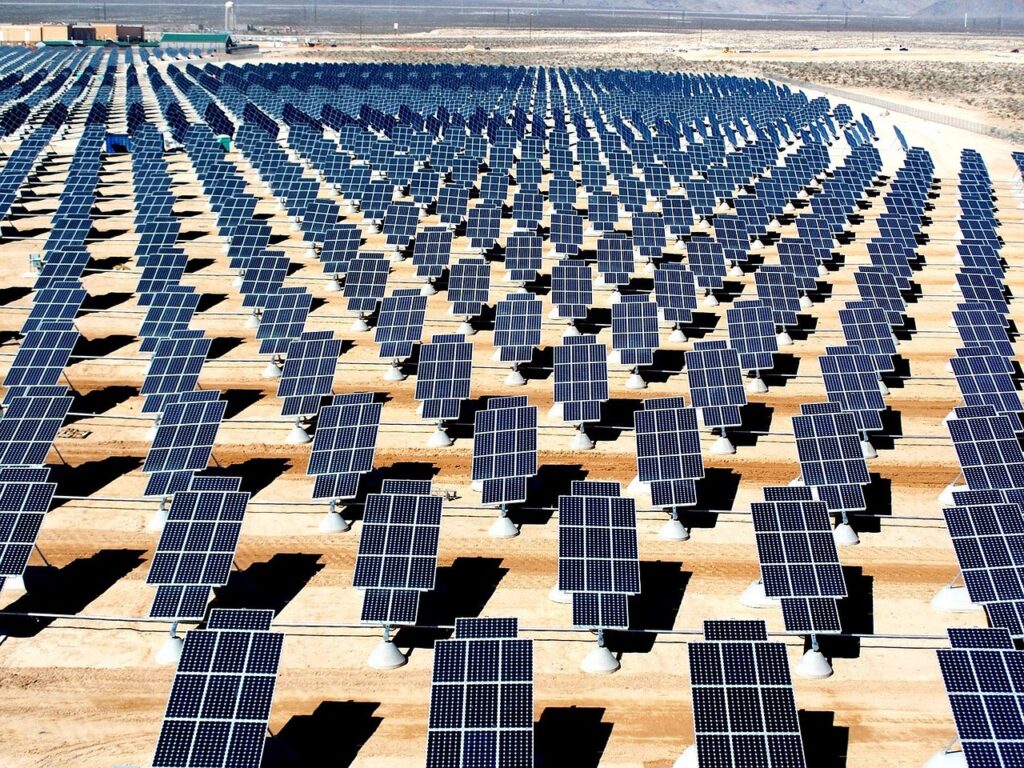
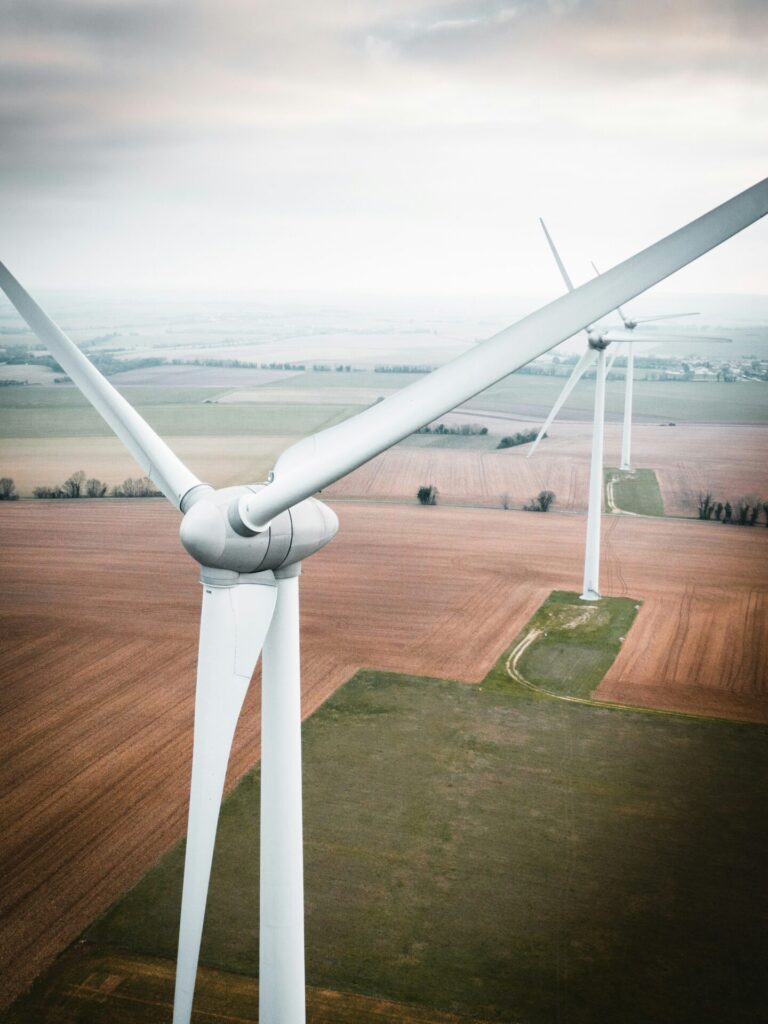
With electricity wheeling, renewable energy is generated offsite at some of the country’s largest wind and solar plants and delivered to businesses without any physical infrastructure changes on site, unlike with embedded solar. While caution is prudent business practice, delay can negatively impact cost efficiencies. There are three reasons why organisations, especially medium-to-large scale energy users, should avoid delay of transitioning their business to price-certain renewable energy.
1: Waiting will cost your business more
The first is a mathematical argument. Say your business is looking at a 20-year timeframe. Instead of taking out a 20-year contract on day one, you decide you’re going to wait five years, and only then take out a 15-year contract. In doing so, the business sacrifices five years of potential savings and price certainty.
Analysis conducted by Discovery Green indicates that for every five years of delay, the price of renewable energy needs to drop by 20% for your decision to make economic sense. However, renewable energy prices have largely levelled out over the past few years. While solar and wind prices declined sharply over the past decade due to rapid technological improvements, this trend has begun to reverse. In recent years, solar prices in the government’s Renewable Energy Independent Power Procurement Programme (REIPPPP) have increased for the first time ever.
Another cost aspect to consider is the impact of carbon taxes. By 2034, Carbon tax contributions to electricity cost components could rise to ~35% or more. While current tax allowances offer some relief – in some cases up to 85%, depending on the sector – these allowances are expected to be phased out within the next decade.
Some businesses could see a 340% increase in carbon tax payments over a five-year span under certain scenarios as tax allowances are removed. For operations with continuous, high electricity demand, delaying action increases exposure to escalating and increasingly volatile costs.
2: Early movers secure the best renewable sites
The second reason not to wait is that, typically, the best solar and wind resources are found in very remote parts of a country (it’s especially the case in South Africa). We have exceptional wind and solar resources in these areas, but historically very little industrial demand.
As a result, Eskom has not built substantial infrastructure in these areas. But now with the surge of private renewable energy generators seeking to put up solar and wind farms in the most resource-rich locations, the Eskom infrastructure in these areas has become overloaded as it was never designed to accommodate large volumes of generation. This means that the second future tranche of energy generators looking to develop projects in South Africa will increasingly have to consider less optimal areas in terms of solar and wind resources (where there is still grid capacity available).
The most optimal, resource-rich locations across South Africa are being taken up by whoever gets there first. As a result, organisations entering the market later are more likely to procure renewable energy from less efficient sites, which translates into higher costs, even though technology prices remain unchanged. There is also a growing risk associated with grid access itself. Delaying could mean a five, 10, or even 15-year wait to access the grid, a trend seen in developed markets such as the United Kingdom and the United States.
3: ESG demands and carbon regulation
Reporting obligations and value-chain pressures are forcing businesses to take ESG commitments seriously. They are paying more attention to their emissions and reporting on where these emissions are coming from. And these will be subject to carbon taxes. If you’re a manufacturing business selling materials or products to another business, you’re forming part of someone else’s value chain as an upstream supplier.
You’ll need to reassure those partners that your business is green because they’ll also have reporting obligations and targets. If emissions are high, they’re going to look for other businesses to buy that product from – businesses who meet their emissions targets more efficiently.
This is why we strongly advise against delaying your energy transition. Beyond the immediate cost savings available today, renewable energy plays an increasingly important role in protecting long-term competitiveness and securing market access.
South Africa’s renewable energy market is entering a critical phase. Businesses that act early are securing better pricing, stronger grid access and long-term cost-certainty. Those who delay risk higher prices, reduced optionality and growing regulatory exposure.
The question is no longer whether to transition, but how long businesses can afford to wait.
*Written by Andre Nepgen, CEO of Discovery Green